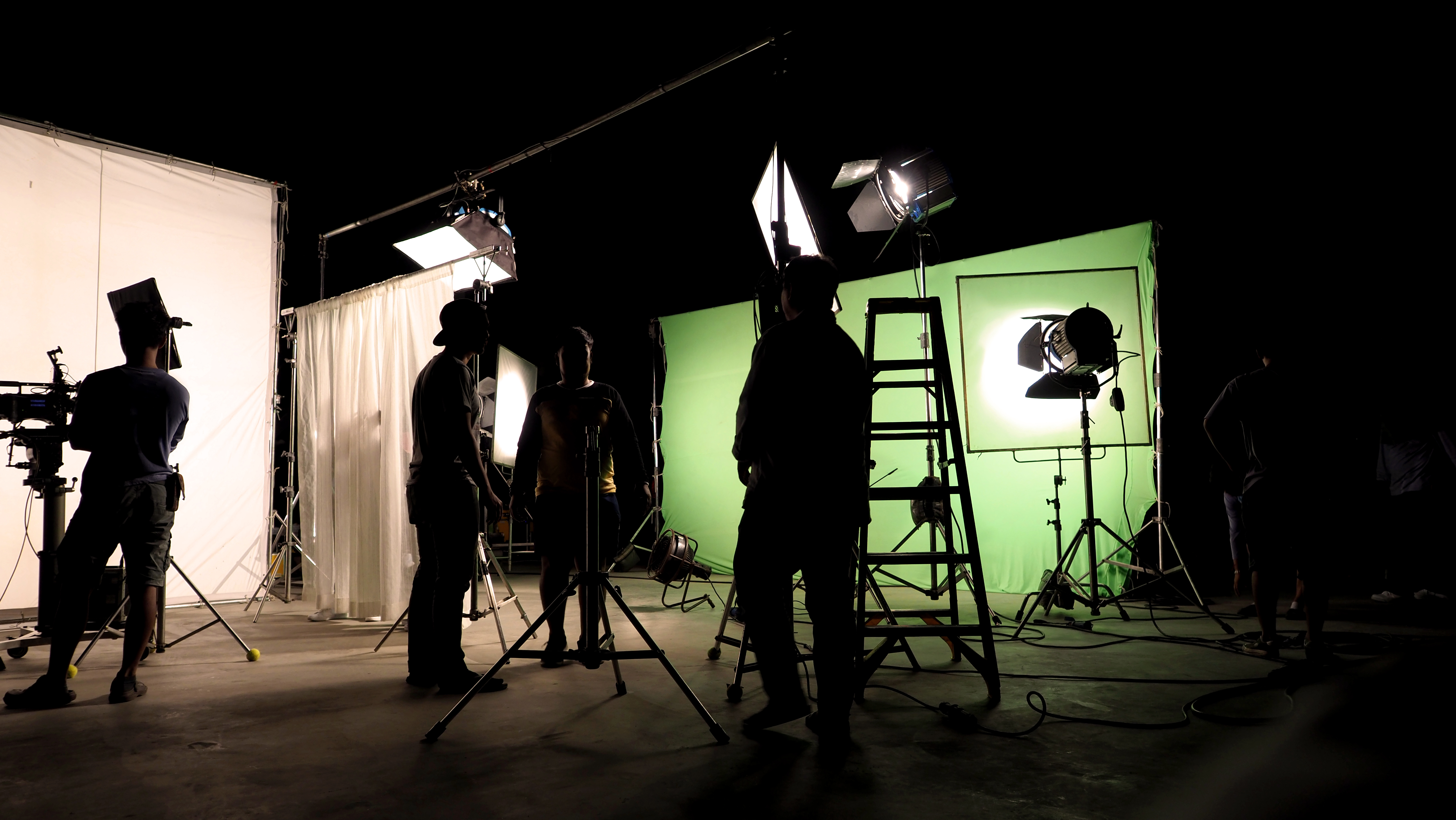
While the film and television industries have made significant strides in recent years toward inclusivity and representation, there remains a glaring need for more authentic and nuanced portrayals of disability, especially for those on the autism spectrum. Far too often, characters with disabilities are reduced to simplistic, one-dimensional stereotypes — depicted as either savants, overly dependent or tragically isolated. These portrayals not only fail to capture the true complexity of the disability experience but also perpetuate harmful misunderstandings.
In reality, autism is a spectrum, and individuals with autism are as diverse as any other group. Their experiences, challenges, and triumphs are unique, yet the stories told on screen rarely reflect this depth. The entertainment industry needs to move beyond outdated tropes and begin telling stories that authentically represent the lives of those with disabilities.
To create real change, we must begin by listening to and amplifying the voices of those with lived experience. Filmmakers, showrunners, and content creators should prioritize collaboration with autistic actors, writers, and consultants who can provide firsthand insight into the complexities of the autism spectrum. This approach will lead to more accurate and respectful portrayals and empower those within the disability community to see their experiences reflected authentically on screen.
Moreover, fostering more inclusive and diverse behind-the-scenes teams can help drive innovation in storytelling. By creating opportunities for people with disabilities to contribute to the creative process, we can ensure that the stories we see are rich with authenticity, depth, and truth.
As audiences, we also have a critical role in demanding better representation. By supporting films and TV shows that feature authentic portrayals of disability and advocating for greater inclusivity both in front of and behind the camera, we can help create a culture that values the humanity of every individual, regardless of their ability.
Film and TV have the power to shape societal perceptions and foster empathy. It’s time to do better because every story deserves authenticity, and every individual deserves to be seen for who they truly are. Together, we can help make that change.